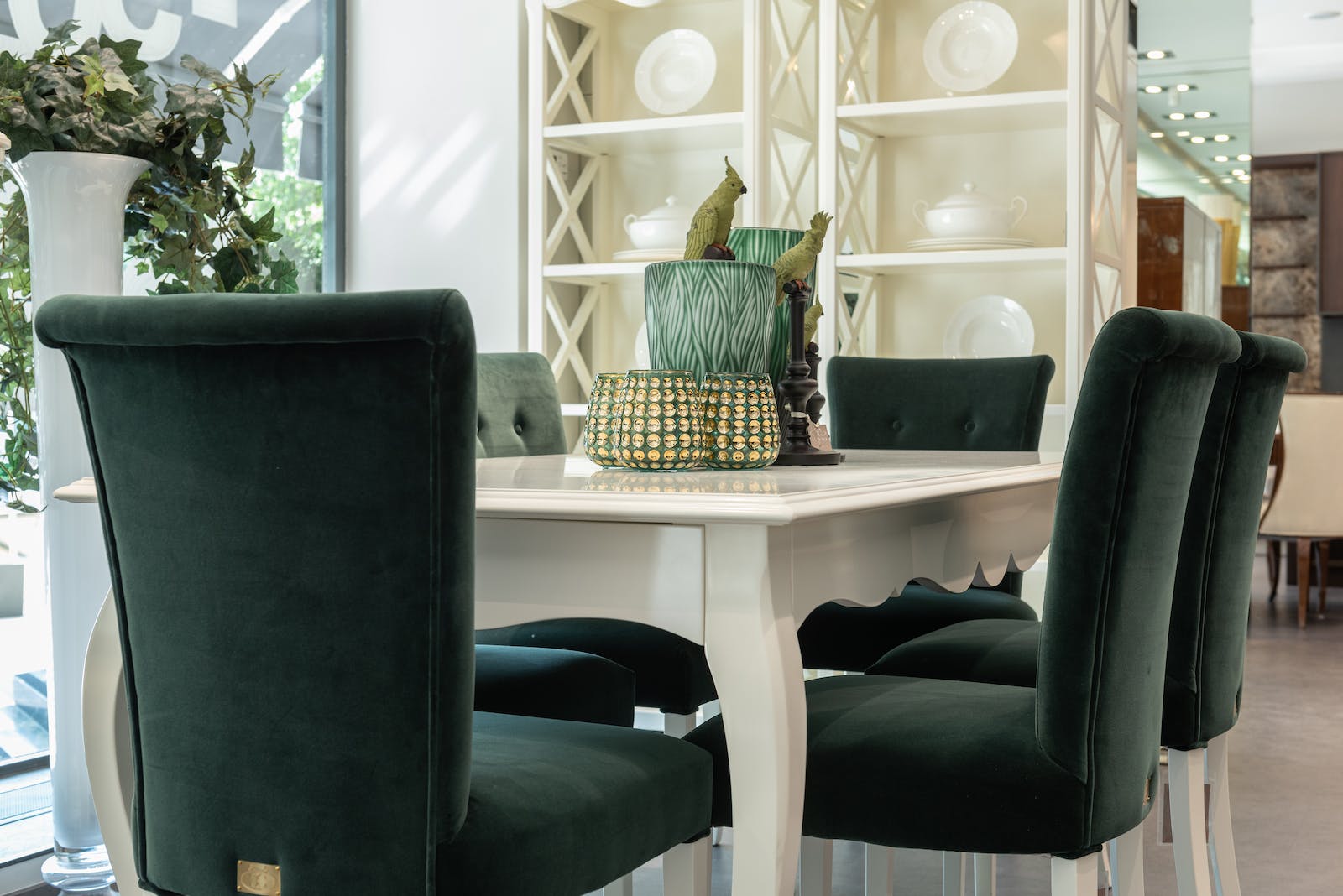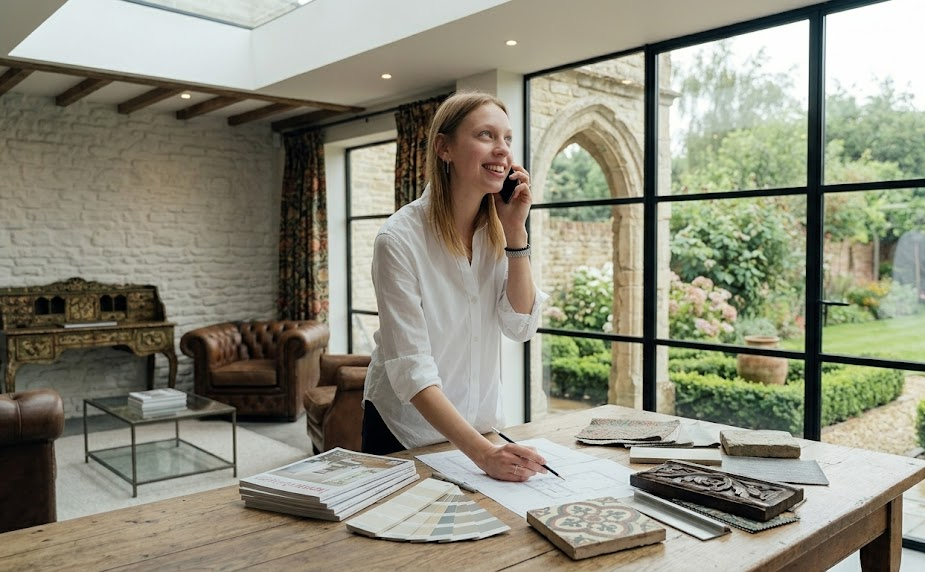
When you walk into a home with a marble fireplace and a low linen sofa it makes you feel special and you don’t know why. The room instantly feels stable yet fresh, capturing the exact balance that mixed-style interiors achieve well.
According to Primethorpe Paving, contemporary styles lead British popularity at 28%, followed by modern styles at 20% and traditional at 11%. These figures highlight a clear preference among homeowners for blending different aesthetics.
Spaces restricted to a single style often fall short; completely traditional rooms can feel heavy, while entirely modern spaces often feel cold. The ideal approach combines both eras to balance personality with comfort. Getting this combination right matters because a home must reflect daily life.
A well-designed space feels personal and ages beautifully from the moment you enter.
At Freud Living, we help you transform interiors with a blend of innovation, functionality, and personalised design to create your ideal home.
Key Methods to Balance Both Eras in Your Home
Here are the five methods to balance both eras in your home:
Pair Period Mouldings with Minimalist Furniture
Original cornicing, ceiling roses, and panelled walls give a room its character. Rather than covering these features, let them contrast with simpler furniture. A sleek sofa, a slender oak dining table, or a low bed will allow the architectural details to stand out.
A 2026 The Intermediary report found that 38% of UK buyers are willing to pay more for properties with traditional features, like fireplaces. Ceiling roses and decorative coving are highlighted as the most desirable period details. This reflects a longing for the craftsmanship often missing in newer builds.
This contrast works because it gives the eye a place to rest. Ornate ceilings with busy furniture can feel messy. Pair them with simple shapes, and the room will feel confident instead of overwhelming.
Painting mouldings in soft off-whites or warm, chalky tones makes them feel modern. Avoid bright white if your home has period features, as it can make the details look flat.
Use Texture to Bridge Both Styles
One of the easiest ways to make a modern room feel warmer and more timeless is through texture. Finishes such as natural stone, timber, limewash, or polished surfaces can soften minimalist interiors while still keeping the overall look contemporary.
Decorative wall finishes from providers such as evokepolishedplastering.co.uk can work especially well in spaces that combine traditional architectural features with modern furniture, helping the two styles feel more connected naturally.
When you move your hand along a limewashed wall, you can feel a slight texture. This quality adds depth that flat paint cannot. By adding materials like boucle, linen, brushed brass, and aged leather, even a simple room can feel more inviting.
Think of texture as a way to connect old and new. It softens sharp edges and helps modern shapes feel more comfortable.
Mix Antique Pieces with Modern Layouts
A walnut writing desk beside a floor lamp creates a nice look. A clawfoot bathtub in a wet room with poured concrete floors works perfectly because each item has its own purpose.
Choose one or two antique pieces instead of filling a room with many. Auction houses, reclamation yards, and independent second-hand furniture dealers across the UK offer good-quality items at reasonable prices; many hand-pick mid-century pieces from house clearances that would otherwise be wasted. An inherited dresser adds more character than a showroom full of new furniture.
Keep the layout contemporary. Open sight lines and tidy surfaces prevent antiques from feeling old-fashioned.
Light Rooms with Sculptural Fixtures
Many homes struggle with lighting. A beautiful Victorian ceiling deserves more than a paper shade. A modern addition can feel too cold with only ceiling lights.
Choose pendants, wall lights, and floor lamps that have solid designs. Plaster pendants, brushed bronze sconces, and even slim arc lamps work well together. Use two or three different lighting heights in each room to create a warm atmosphere.
Install dimmer switches. The bright kitchen light at 7am should not be the same as 9pm.
For a visual representation, check out this guide that highlights how to select and layer stylish fixtures across different interior styles.
Build a Calm Layered Colour Palette
Pick soft neutrals, earthy greens, clay tones, and muted blues for your colour scheme. These colours work ideally with both decorative plaster and simple woodwork.
Add interest with a single bold accent, like a deep burgundy chair or an ink blue cabinet. Tonal palettes create a mature look and highlight textures. Before making a final choice, test paint samples on different walls.
For clearer guidance on layering tones without losing balance, take a look at this guide on neutral room ideas.
Conclusion
Mixed-style interiors feel personal by embracing diverse aesthetics. Create this look by blending your existing architecture with texture, lighting, and thoughtfully chosen pieces from various eras.Ready to redesign your space with confidence? Contact us at Freud Living for stylish, practical interior ideas tailored to your lifestyle.